
Comprehensive Podiatry Services
Educational resources and insights into the foot and ankle conditions we assess, manage, and care for.
Understanding Your Foot & Ankle Health
Proper care begins with understanding. Below is an overview of common podiatric areas of focus. Knowing what these conditions are and what an assessment involves can help you make informed decisions about your mobility.
While our practice is equipped to address a vast array of lower extremity conditions, we believe that education is one of the most powerful tools in maintaining long-term foot health.
Diabetic Foot Care
What It Is
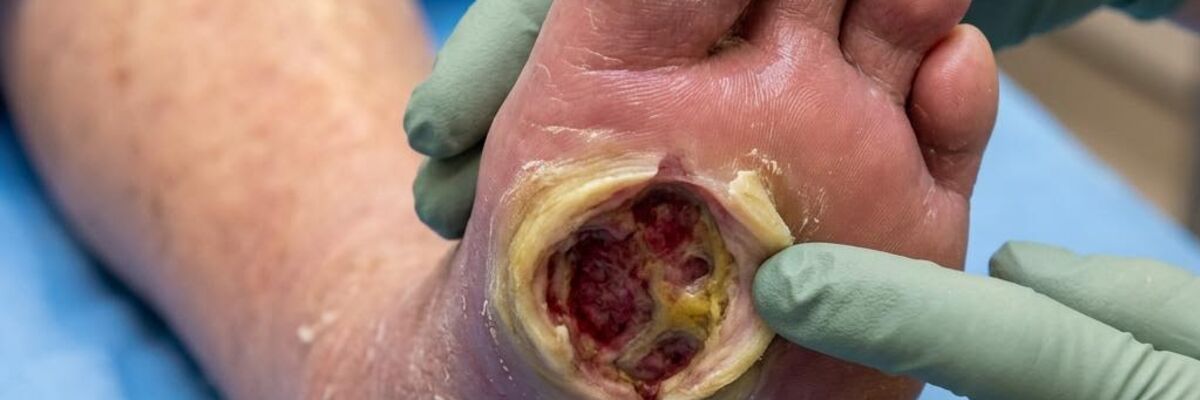
Diabetes can impair nerve function and blood flow, meaning minor irritations can quickly escalate into serious issues without the body feeling them. Specialized care focuses on prevention, early detection, and protective measures.
What A Visit Involves
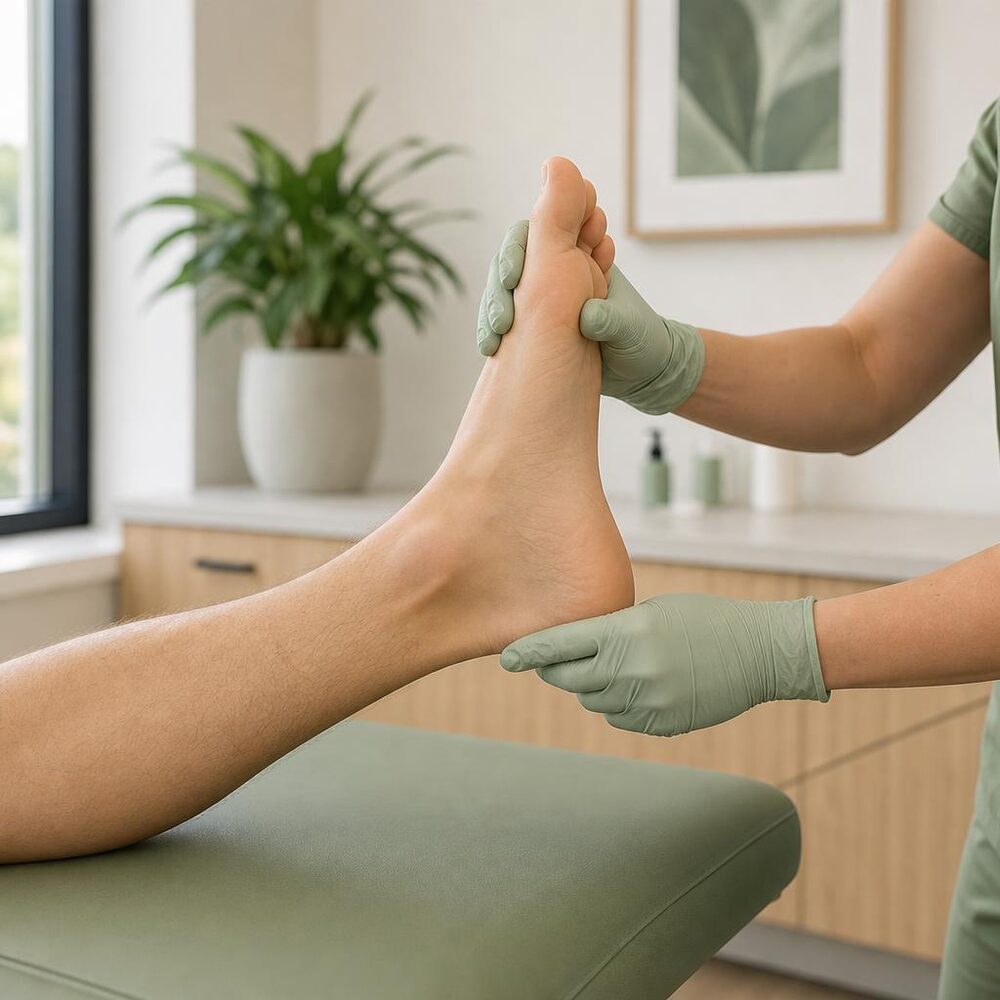
A typical visit includes a comprehensive sensory exam, circulation testing, footwear evaluation, and a visual inspection to identify and manage at-risk areas like calluses before they break down.
When to Stop Waiting
Routine check-ups are essential, but you should seek immediate attention if you notice a change in foot color, swelling, a sore that won't heal, or new numbness. Learn more about our diabetic foot care approach.
Wound and Ulcer Care
What It Is
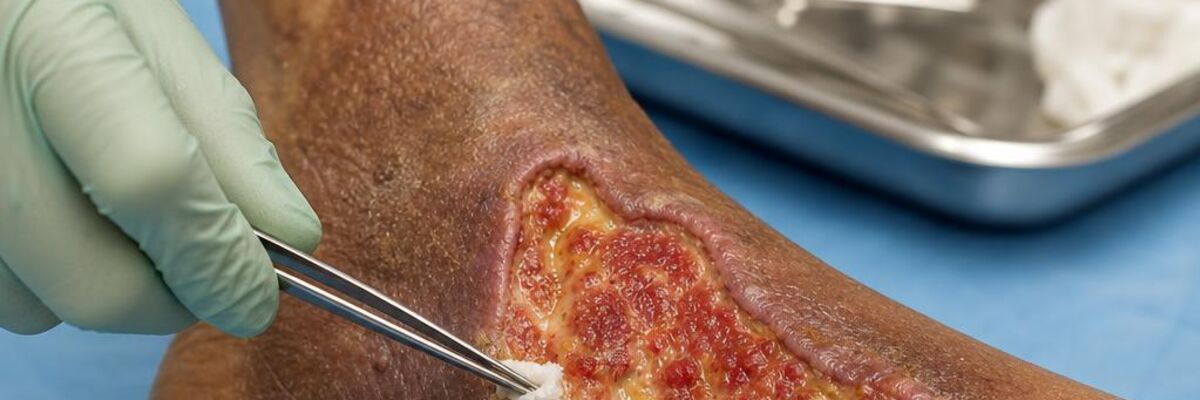
Chronic wounds or ulcers on the feet are complex conditions that often arise from underlying issues like poor circulation or pressure point imbalances. Proper wound management aims to protect the tissue and facilitate natural healing.
What A Visit Involves
Care often involves gently cleaning the wound, removing unviable tissue, applying specialized dressings, and utilizing offloading techniques to remove pressure from the affected area.
When to Stop Waiting
Any open sore on the foot that does not show signs of healing within a few days requires professional evaluation, especially if accompanied by warmth, redness, or increased discomfort.
Neuropathy & Circulation Assessment
What It Is
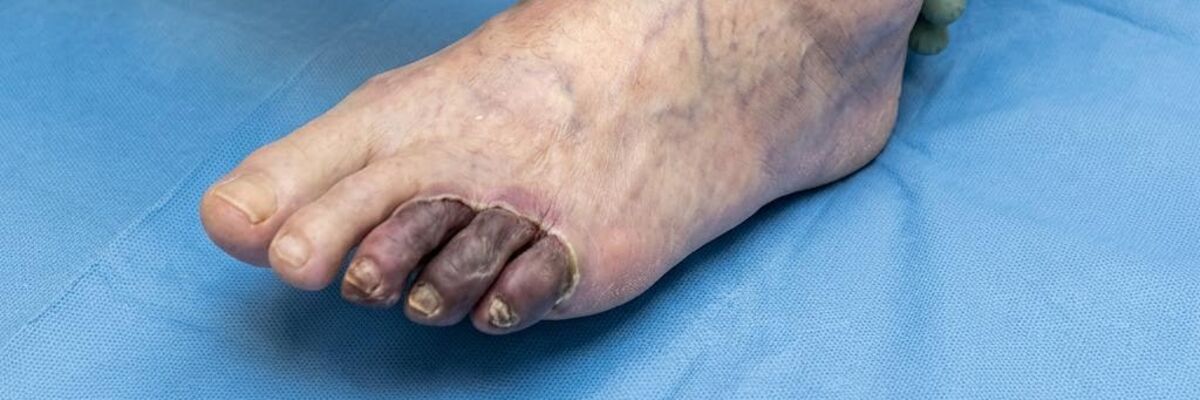
Neuropathy involves damage to the peripheral nerves, leading to numbness or tingling. Poor circulation restricts the oxygen and nutrients needed for tissue repair. Assessing both is crucial for preventative foot health.
What A Visit Involves
Assessments rely on non-invasive tools to measure nerve response, such as vibration or pressure sensitivity testing, alongside vascular evaluations to gauge blood flow efficiency in the lower extremities.
When to Stop Waiting
A sensation of "pins and needles," burning pain, chronic coldness in the feet, or an inability to feel temperature changes are strong indicators that an assessment should be scheduled.
Heel and Arch Pain
What It Is
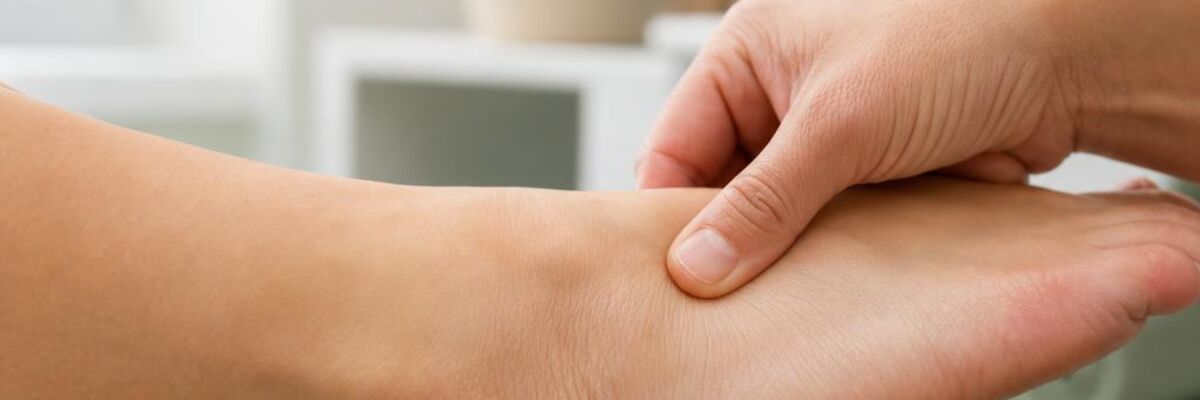
Pain in the heel or arch is frequently tied to conditions like plantar fasciitis or heel spurs, resulting from inflammation of the supportive bands of tissue that run across the bottom of the foot.
What A Visit Involves
Evaluating this pain typically includes observing your standing posture, manipulating the foot to locate specific tenderness, and reviewing footwear choices to determine the mechanical strain source.
When to Stop Waiting
If stepping out of bed in the morning causes sharp pain, or if discomfort consistently limits your daily walking or exercise routines, it is time to have the structure of your foot assessed.
Sports and Overuse Injuries
What It Is
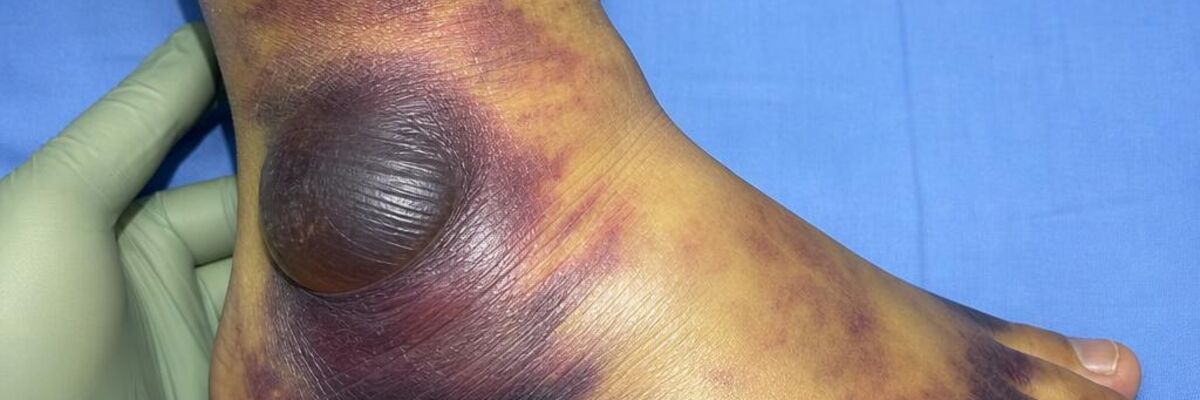
Repetitive stress or sudden trauma from athletic activity can cause sprains, stress fractures, or tendonitis. These injuries compromise structural integrity and require deliberate management to prevent chronic instability.
What A Visit Involves
We review the history of the injury, perform a physical examination to check range of motion and joint stability, and discuss recovery strategies, supportive bracing, and rehabilitation timelines.
When to Stop Waiting
Inability to bear weight, persistent swelling after a few days of rest, or a feeling that the ankle is "giving way" suggest that professional guidance is needed over basic home care.
Nail and Skin Conditions
What It Is
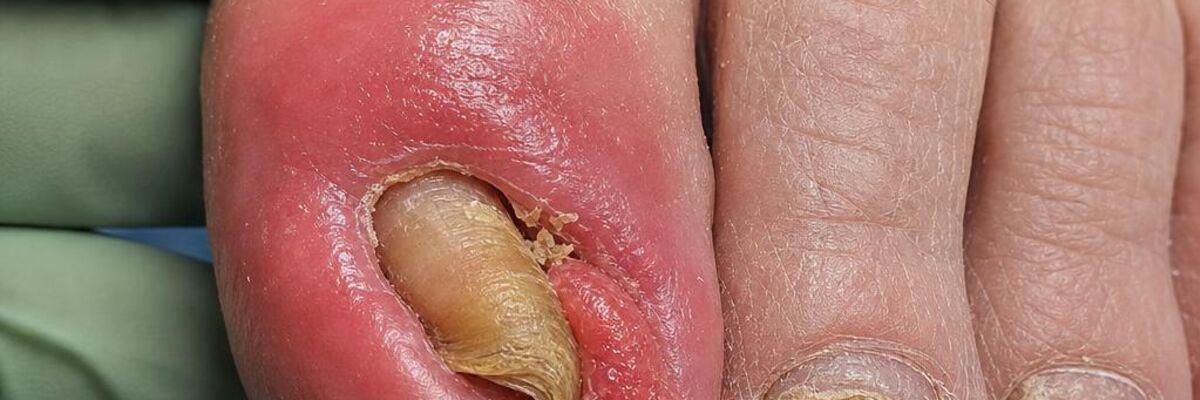
Conditions like ingrown toenails, persistent fungal infections, and severe calluses or corns can be more than just cosmetic issues; they can lead to pain, altered gait, and potential infection risks.
What A Visit Involves
Visits involve evaluating the severity of the skin or nail issue, discussing hygiene and footwear, and performing careful maintenance, trimming, or topical management to resolve the immediate discomfort safely.
When to Stop Waiting
If a nail edge becomes red, warm, and tender, or if over-the-counter options for skin issues are failing to provide relief while causing discomfort in shoes, a clinical perspective is recommended.
Bunions and Deformities
What It Is
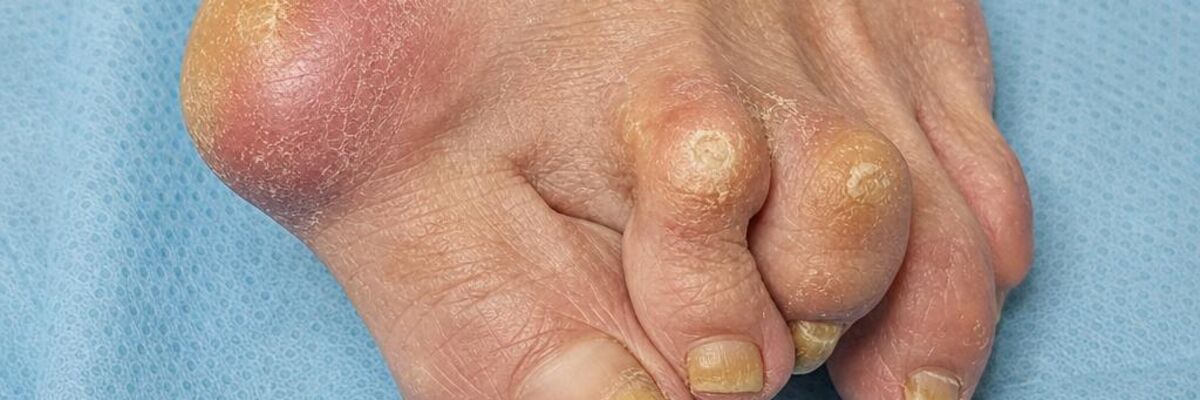
Bunions, hammertoes, and other structural shifts involve a progressive realignment of the bones in the foot. These changes can create painful friction points and complicate finding comfortable footwear.
What A Visit Involves
We focus on assessing joint mobility and tracking structural changes over time. Consultations emphasize conservative management like padding, splinting, and wide-toe-box footwear recommendations.
When to Stop Waiting
When the visual change in your foot begins to consistently dictate your shoe choices, or if the prominence becomes red and sore after normal daily activities, it's appropriate to explore management options.
Custom Orthotics & Footwear Guidance
What It Is
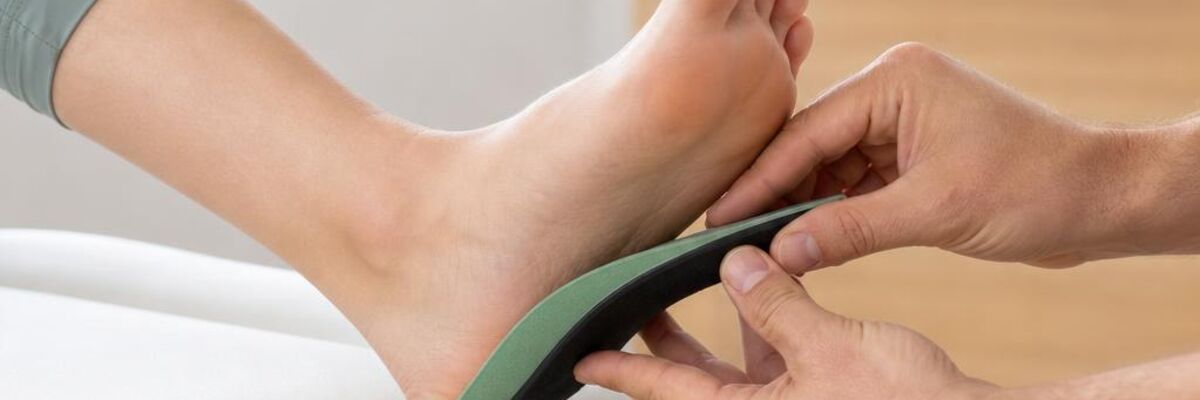
Proper foot alignment reduces unnecessary strain on the feet, knees, and back. Custom orthotics and informed footwear choices provide the precise support required for your unique foot structure.
What A Visit Involves
A comprehensive fitting involves a detailed biomechanical evaluation, taking precise molds or scans of your feet, and discussing how specific shoe types interface with the intended support.
When to Stop Waiting
If off-the-shelf insoles fail to relieve arch fatigue, or if you notice uneven wear patterns on the soles of your shoes along with joint discomfort, a custom support evaluation may be beneficial.
Gait and Pressure Assessment
What It Is
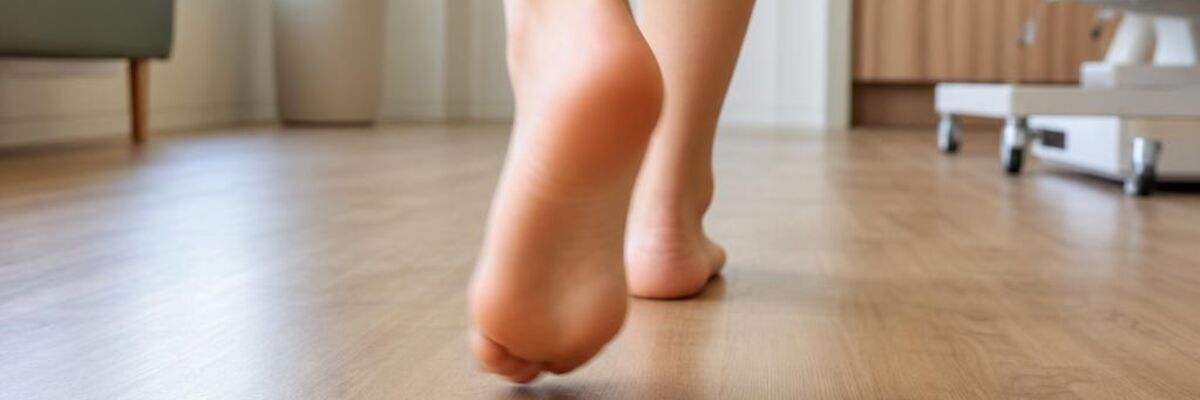
Analyzing how you walk and where your feet absorb pressure during movement provides critical insights into why certain pains occur and how to correct mechanical imbalances.
What A Visit Involves
We observe your walking pattern and may utilize advanced sensor technology to map pressure distribution across the sole of the foot, helping identify areas of excess stress.
When to Stop Waiting
Frequent tripping, a feeling of imbalance, or chronic pain in the feet or knees that worsens with walking warrants a closer look at your fundamental movement mechanics.
Surgical Consultation
What It Is
When conservative measures are thoroughly exhausted and severe structural issues or chronic pain persist, surgical options may be discussed as a pathway to restoring function.
What A Visit Involves
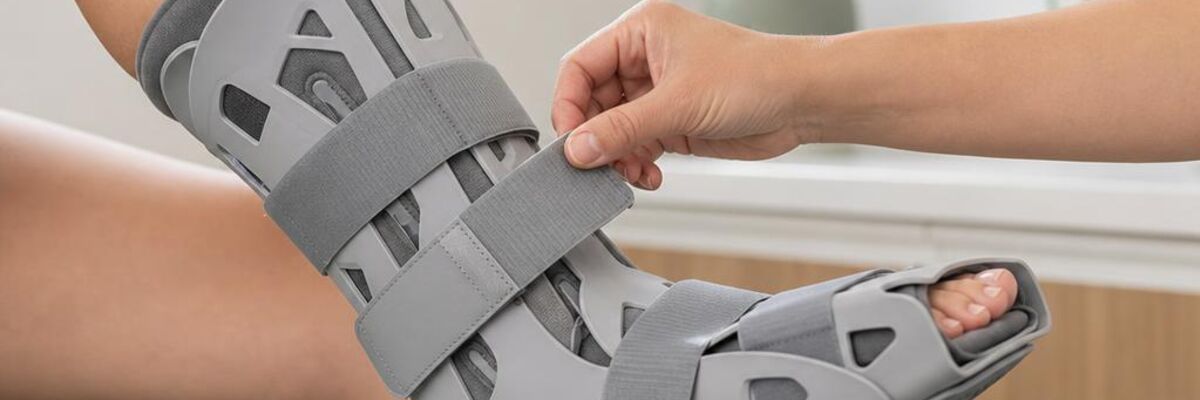
A consultation provides a deeply educational review of your condition's severity, detailing the procedural approach, realistic recovery timelines, and all potential risks and benefits.
When to Stop Waiting
If non-invasive approaches have failed to improve a significant deformity or pain that severely limits your basic mobility and quality of life, an open discussion about surgical possibilities is the next step.
Ready to Discuss Your Foot Health?
Reach out today or review our visit preparation guide to help you organize your thoughts.